
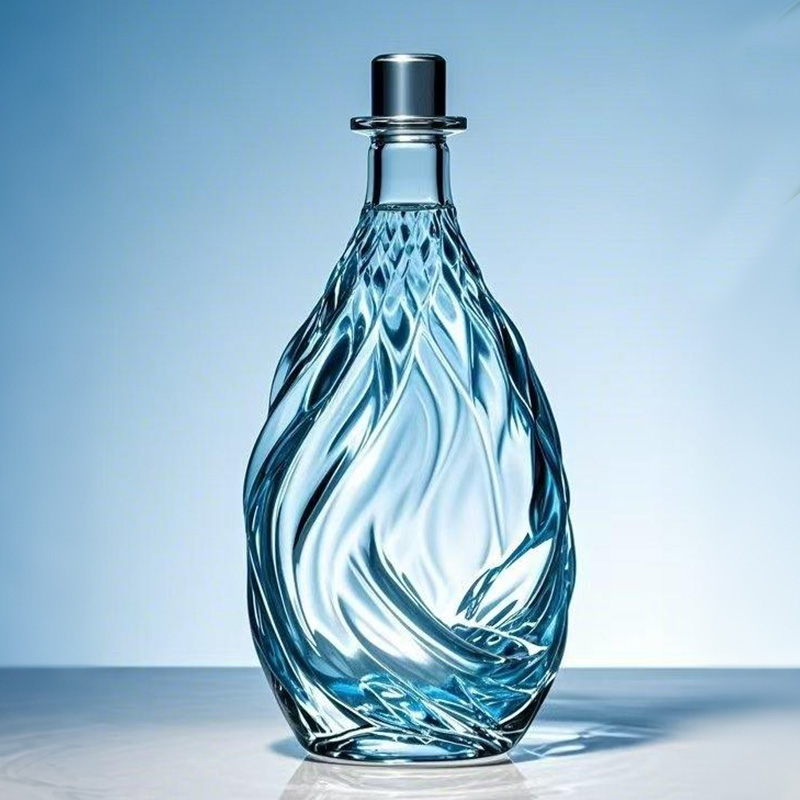
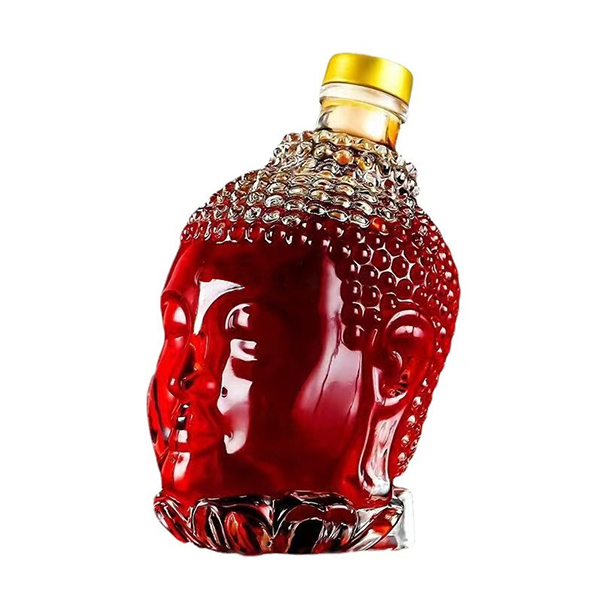
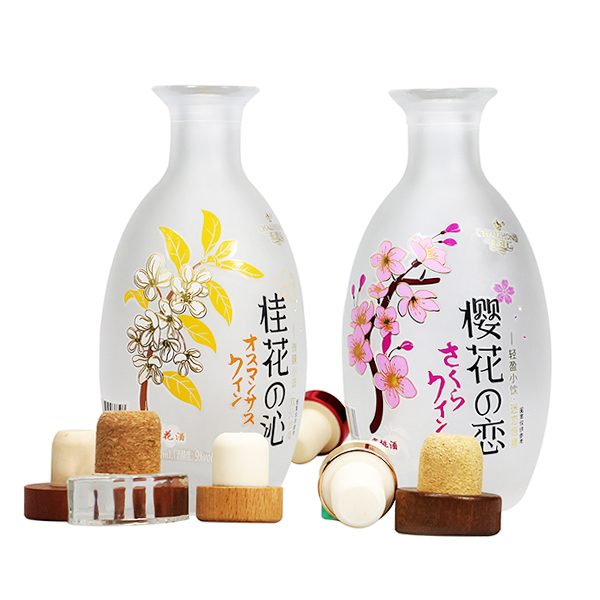
Glass first appeared around 3500 BCE in Mesopotamia and ancient Egypt. In its early days, it was only used for beads and glazes rather than containers. It was not until 1500 BCE that craftsmen in ancient Egypt created the earliest hollow glass bottles in human history. They used clay as an inner core, dipped it into molten glass and wrapped the glass around the core, then removed the core mold after cooling. These early bottles were crude in craftsmanship and rare in production, mainly used to hold precious items such as perfumes and ointments.
In the 1st century BCE, the glassblowing technique was invented in Syria. Craftsmen used a blowpipe to dip molten glass and shape it by blowing, which greatly improved production efficiency and design diversity. This technology spread across Europe through the Roman Empire, and glass bottles gradually evolved from luxury goods for nobles to daily items used by common people for storing wine, oil and other necessities.
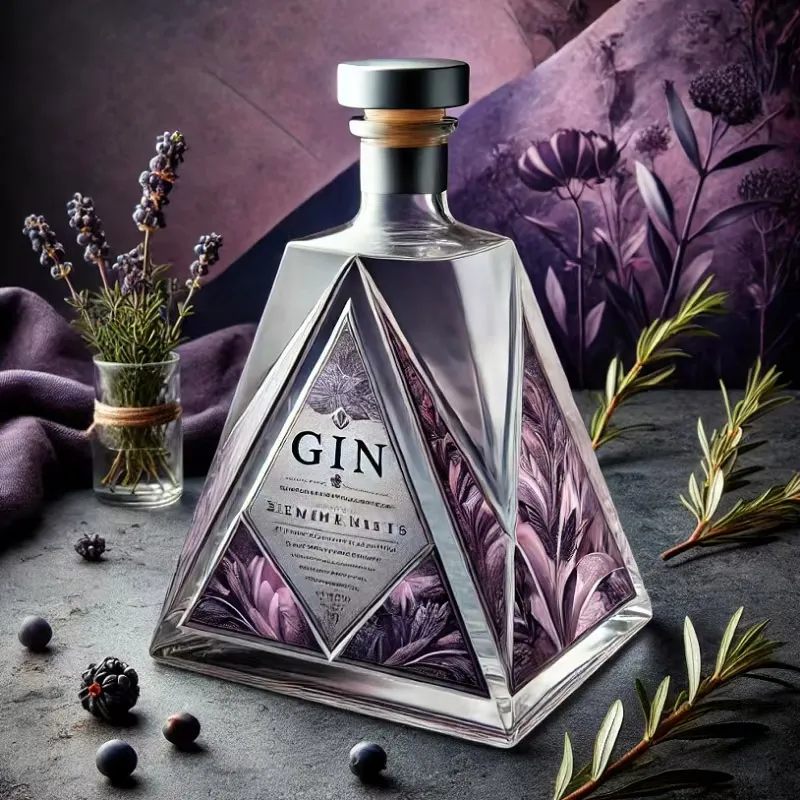
From the Middle Ages to modern times, European glassmaking techniques continued to improve. Lead glass, which was more transparent, emerged in the 17th century, and the classic shapes of modern wine and whiskey bottles gradually took shape. In 1903, the automatic glass bottle-making machine was invented, enabling industrial mass production of glass bottles.
Today, glass bottles are developing toward lightweighting, high recycled content and precise customization. Thanks to their eco-friendliness, chemical stability and premium texture, they remain the packaging of choice for spirits, food and cosmetics.